Science Connections
Welcome to Science Connections! Science is changing before our eyes, now more than ever. How do we help kids (and ourselves) keep up? How are we preparing students to be the next generation of scientists?
Join our host Eric Cross as he sits down with educators, scientists, and subject-matter experts on ways to best support students in science classrooms. Hear how to inspire kids across the country to love learning science, and how you can bring that magic into your own classroom.
Stay connected

Meet our host:
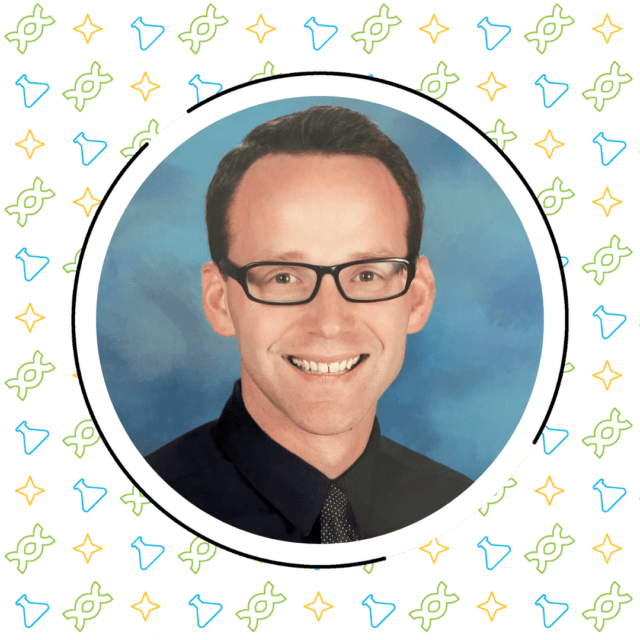
Eric Cross
Eric Cross is a seventh grade science/technology teacher, grade level lead, and digital learning innovator for Albert Einstein Academies, International Baccalaureate schools. He is also an adjunct professor of learning and technology at the University of San Diego and a Google certified innovator. Eric earned a bachelor鈥檚 degree from Azusa Pacific University and a Master of Education from the University of San Diego. He had 17 years of experience working with at-risk youth and underserved populations before becoming a middle school teacher. By building relationships with students, colleagues, and the community, he has become an empowered leader in and out of the classroom. Through meaningful learning experiences centered around student agency, he’s made STEM accessible to students with highly engaging lesson design, thoughtful integration of digital tools, and culturally relevant pedagogy.
S3: Science as the underdog
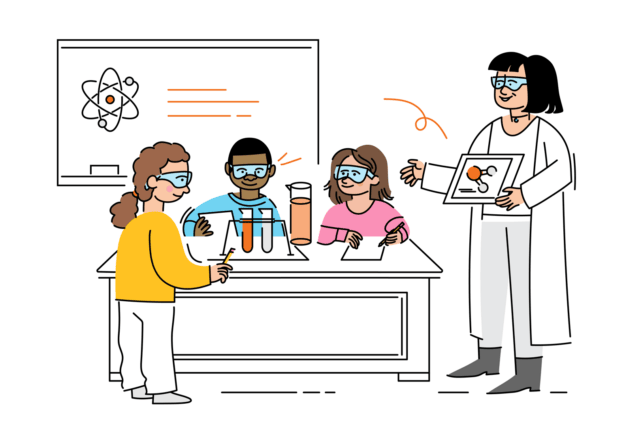
Season 3 is all about 鈥渟cience as the underdog.鈥� Often overlooked in K鈥�12 classrooms, science is actually key to student success. This season, we investigate why, and discuss how science can be better utilized in schools.
Listen as we dive into hot topics, including tips for integrating science instruction and literacy, the role of project-based learning, and community-building through science.
-
Episode 8: Making science a superhero

Tune in to the finale of Science Connections with elementary educator and recipient of the 2023 Anton Banko Award for Excellence in Teaching Elementary Science, Kate Bala. In this episode, Kate shares teaching tips on how she seamlessly integrates science with other content areas to give students an engaging, phenomena-based learning experience. Listen to hear about Kate鈥檚 unique teaching style and the helpful tips she offers to make science the superhero of any classroom.
Listen now -
Episode 7: Telling the story of science
-
Episode 6: Identifying and addressing pseudoscience
-
Episode 5: Thinking is power
-
Episode 4: Using AI and ChatGPT in the science classroom
-
Episode 3: Instructional strategies for integrating science and literacy
-
Episode 2: How science strengthens literacy and language development
-
Episode 1: Science as the underdog, and the research behind it.










Resources